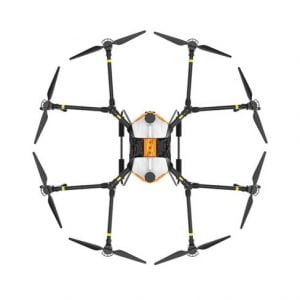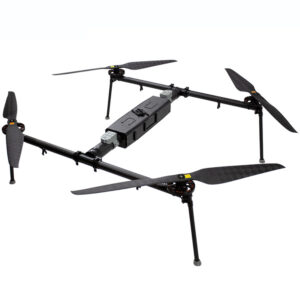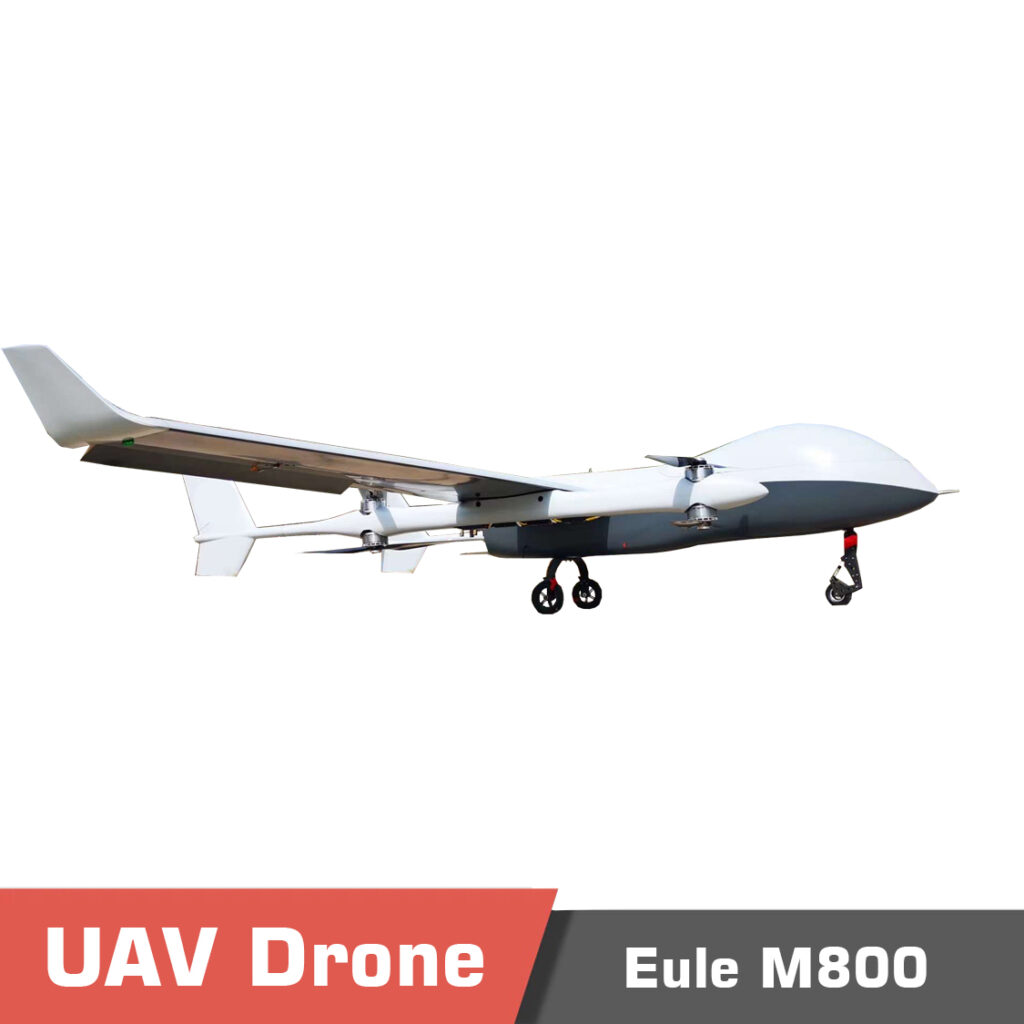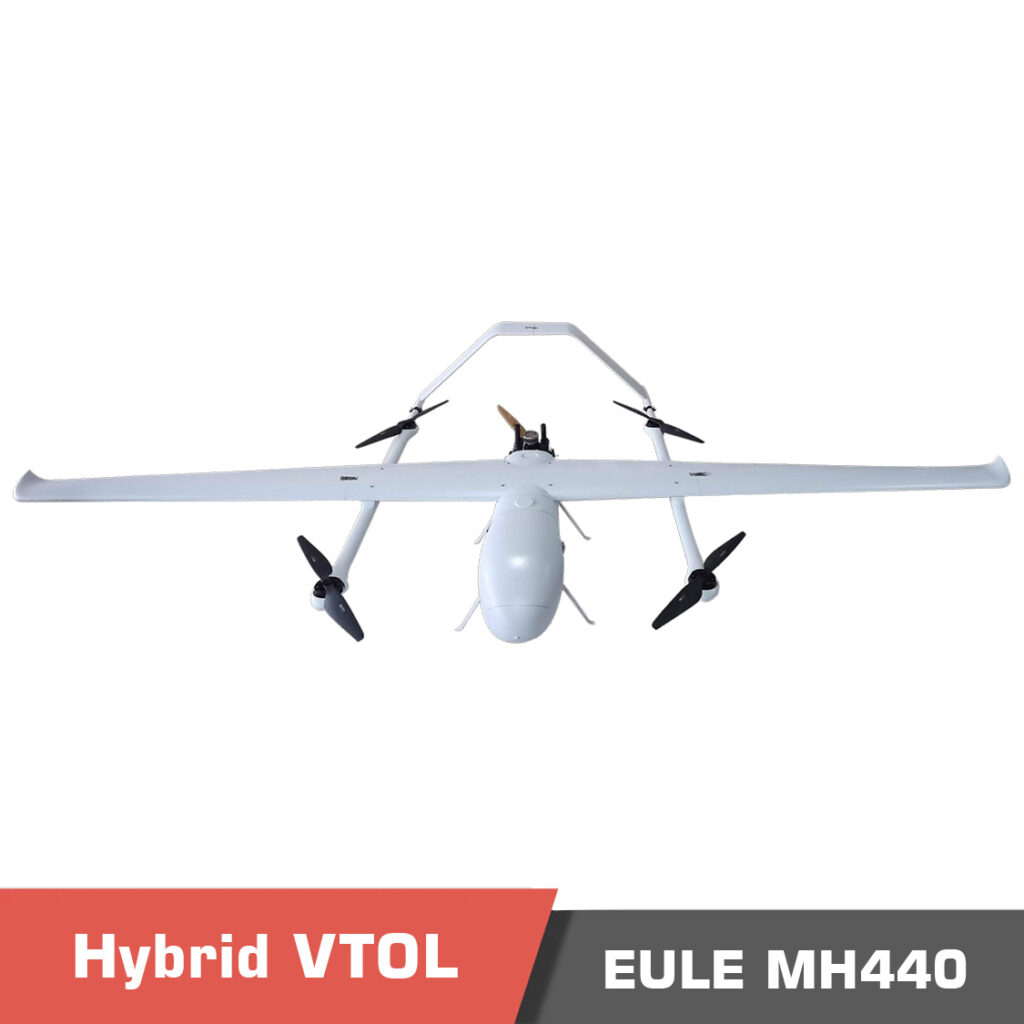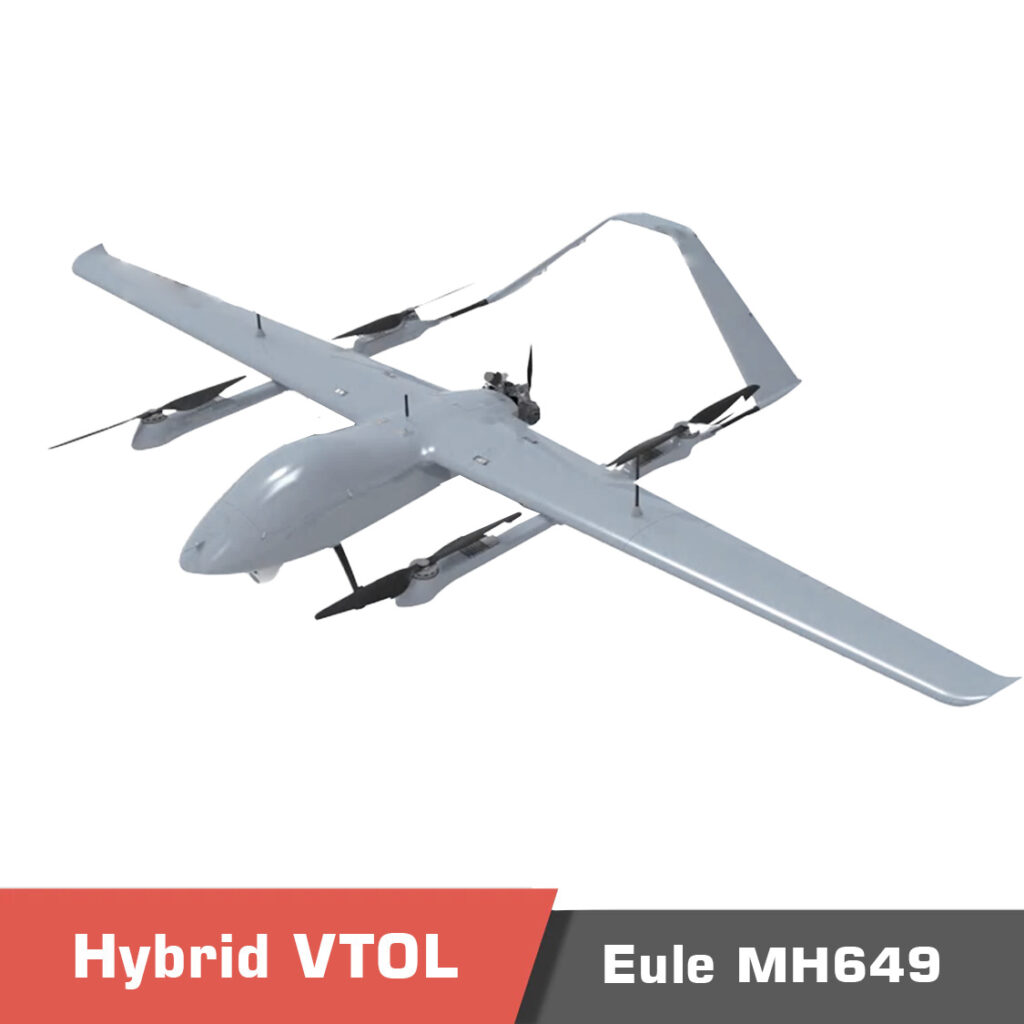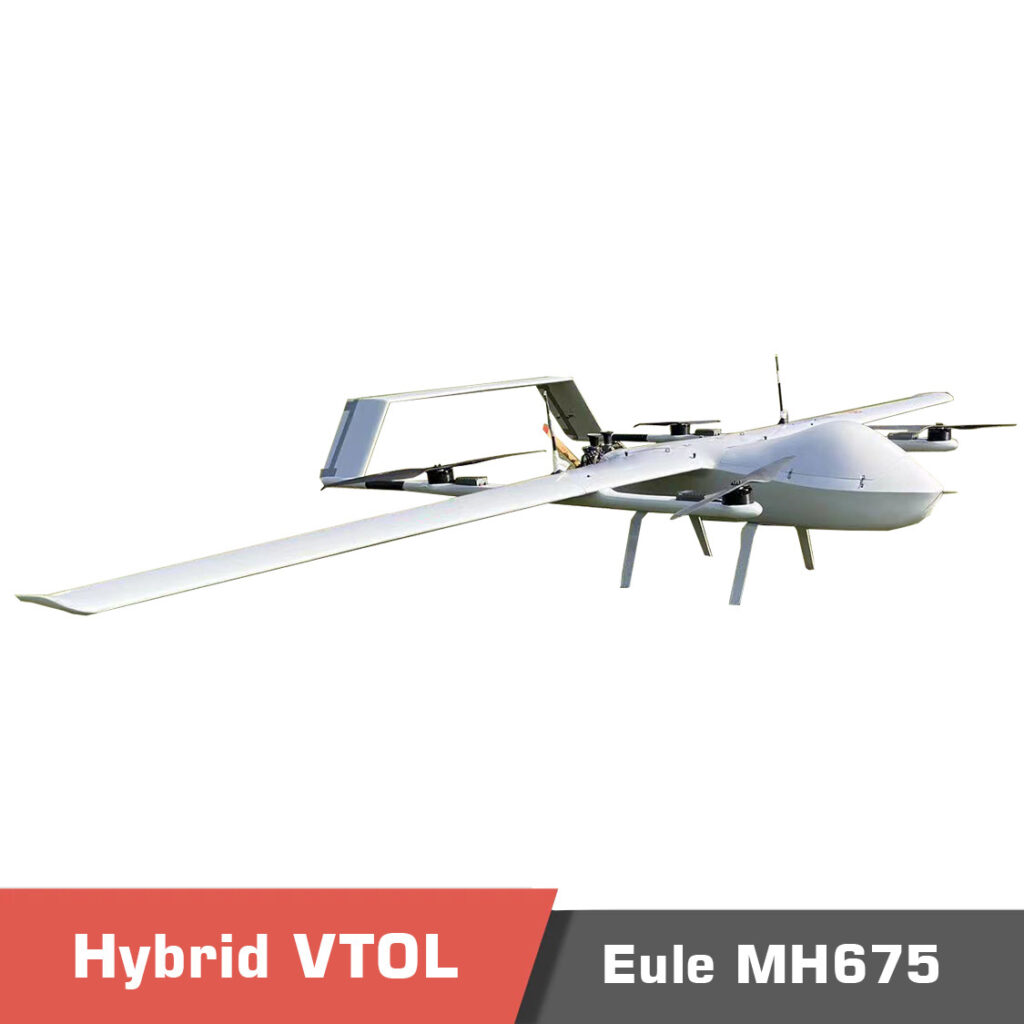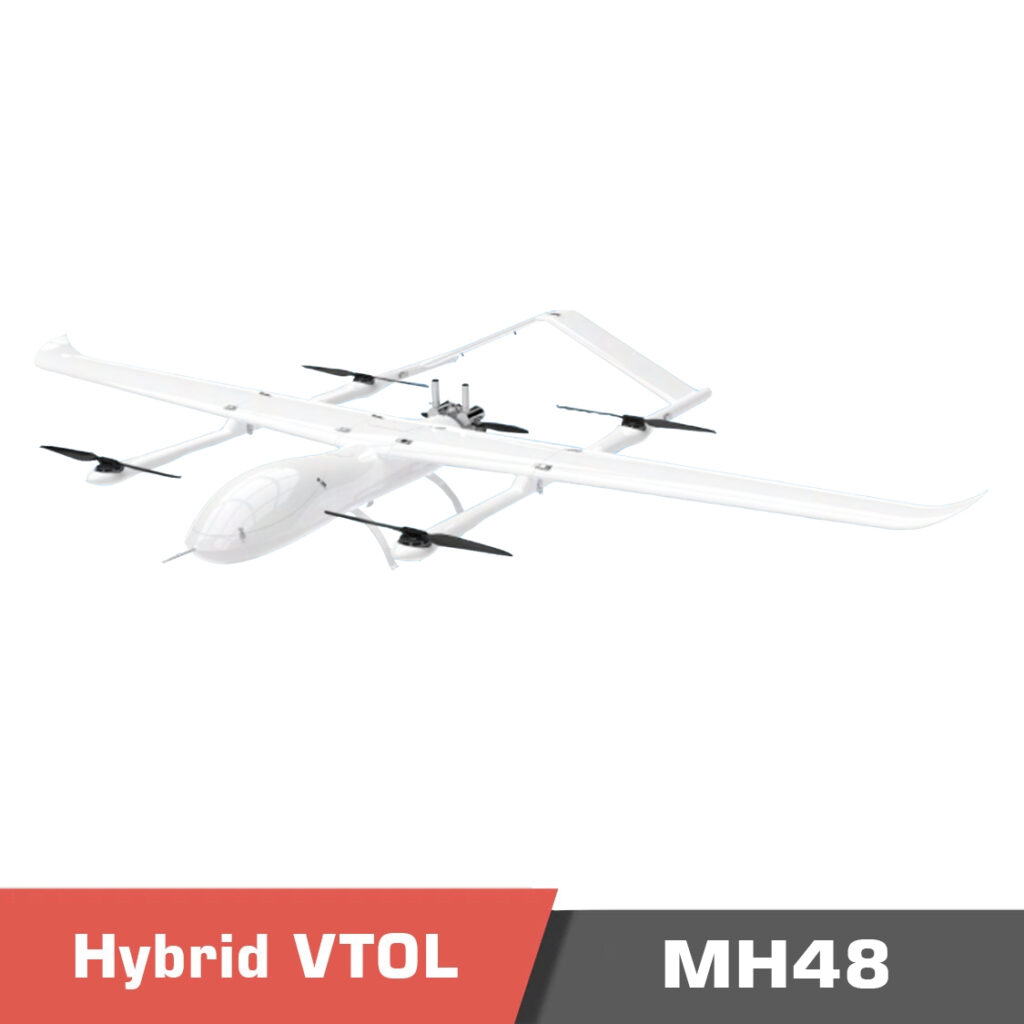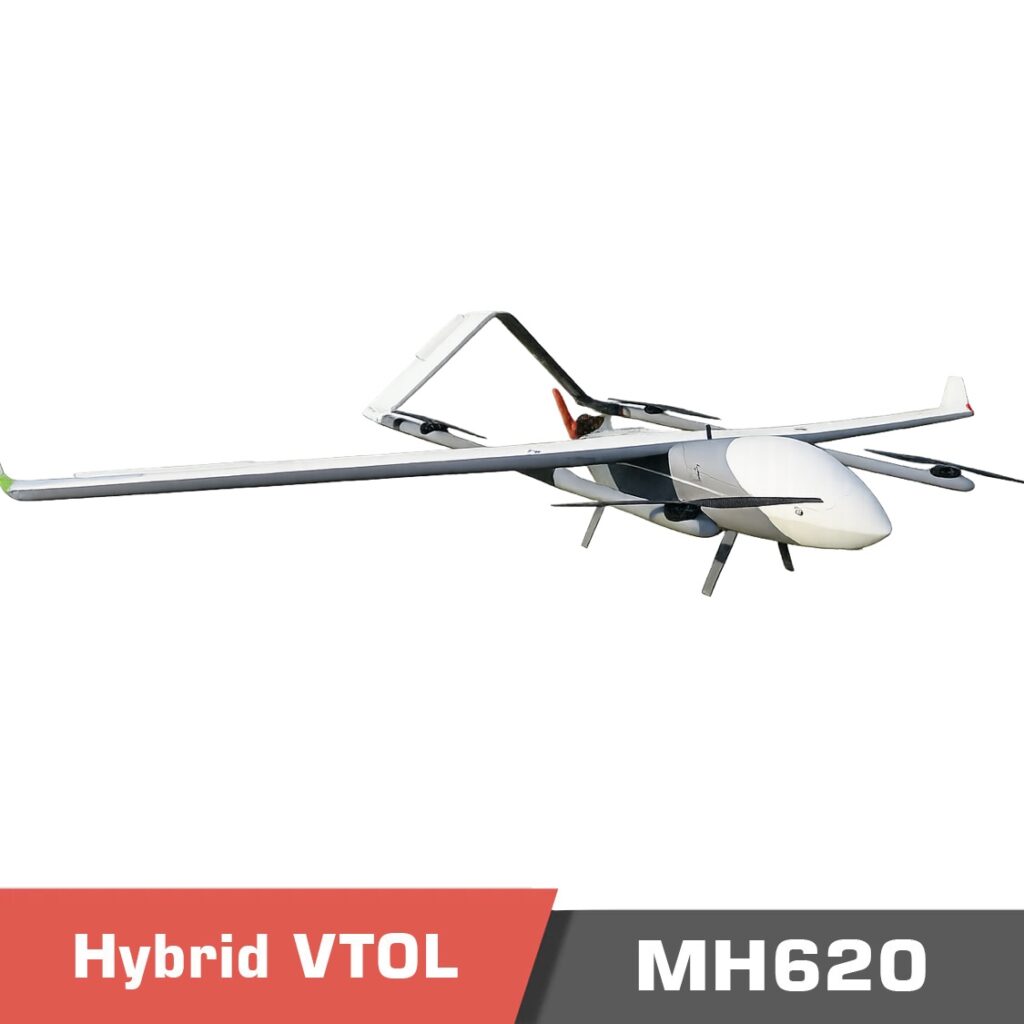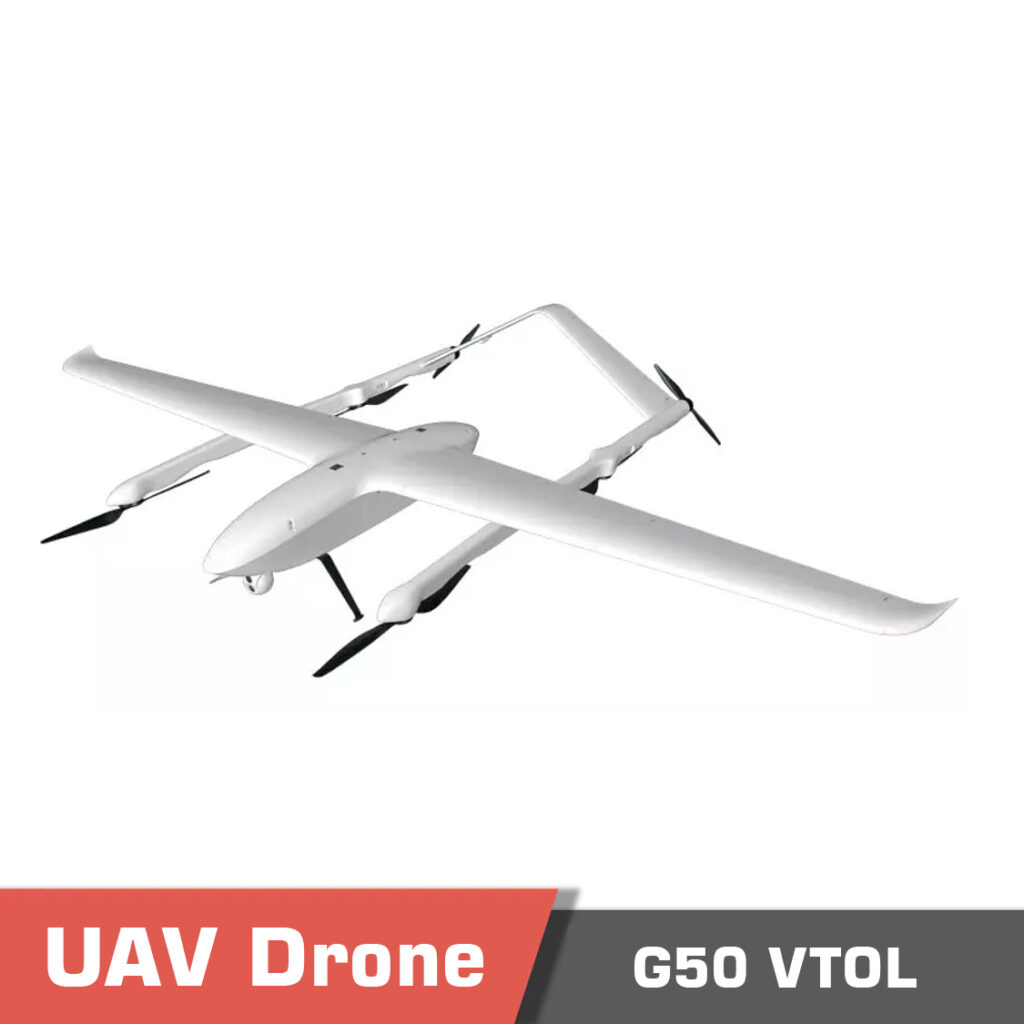
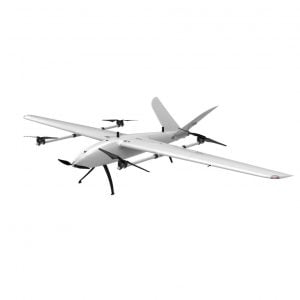
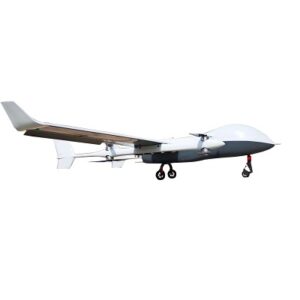
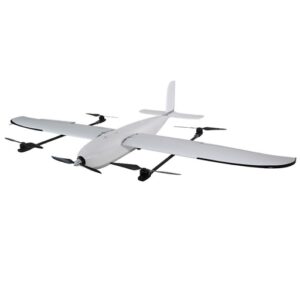
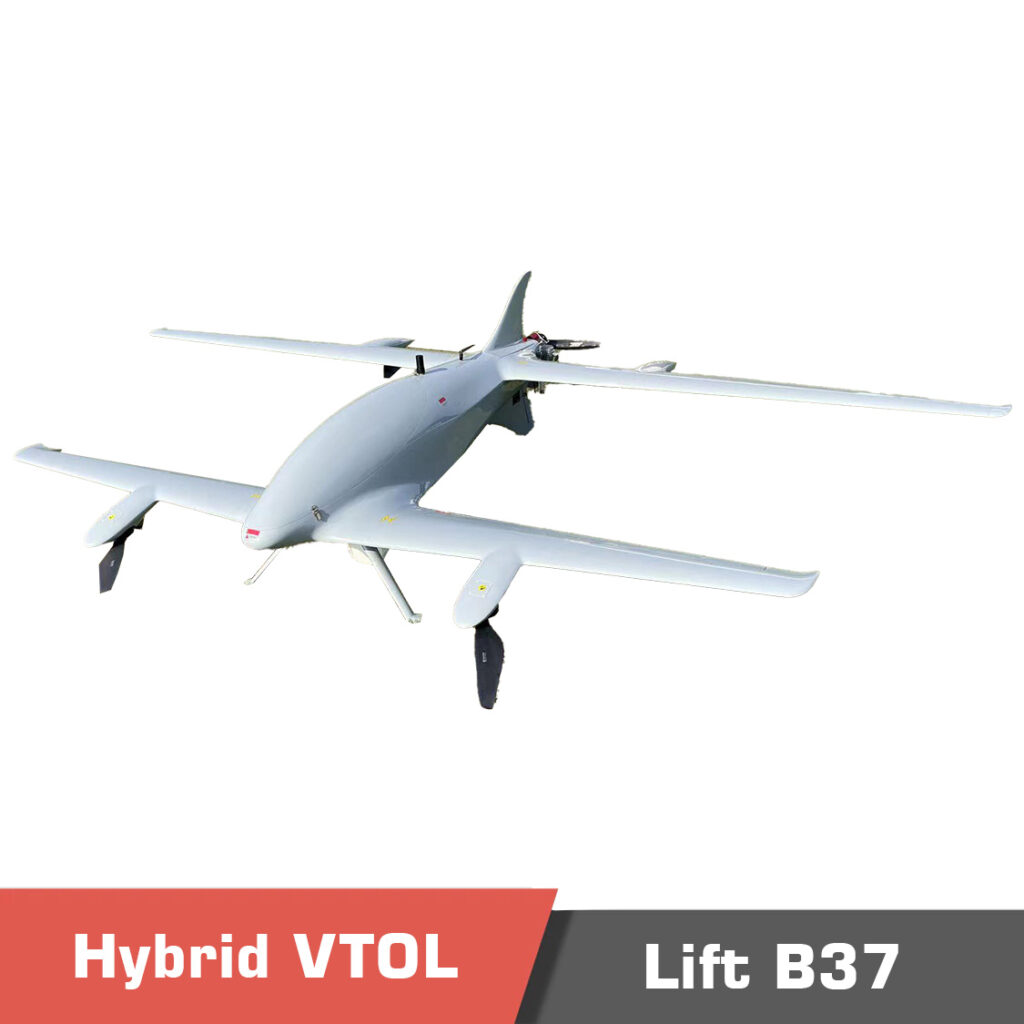
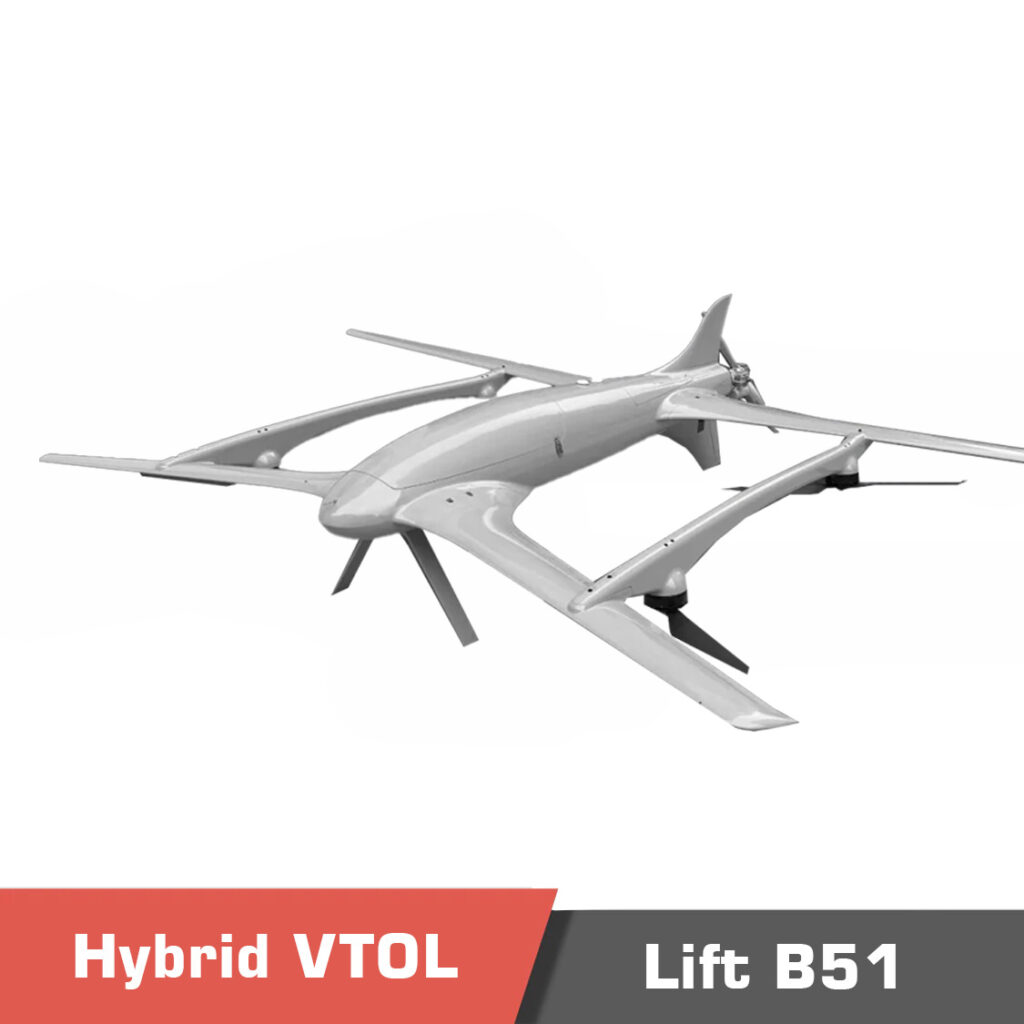
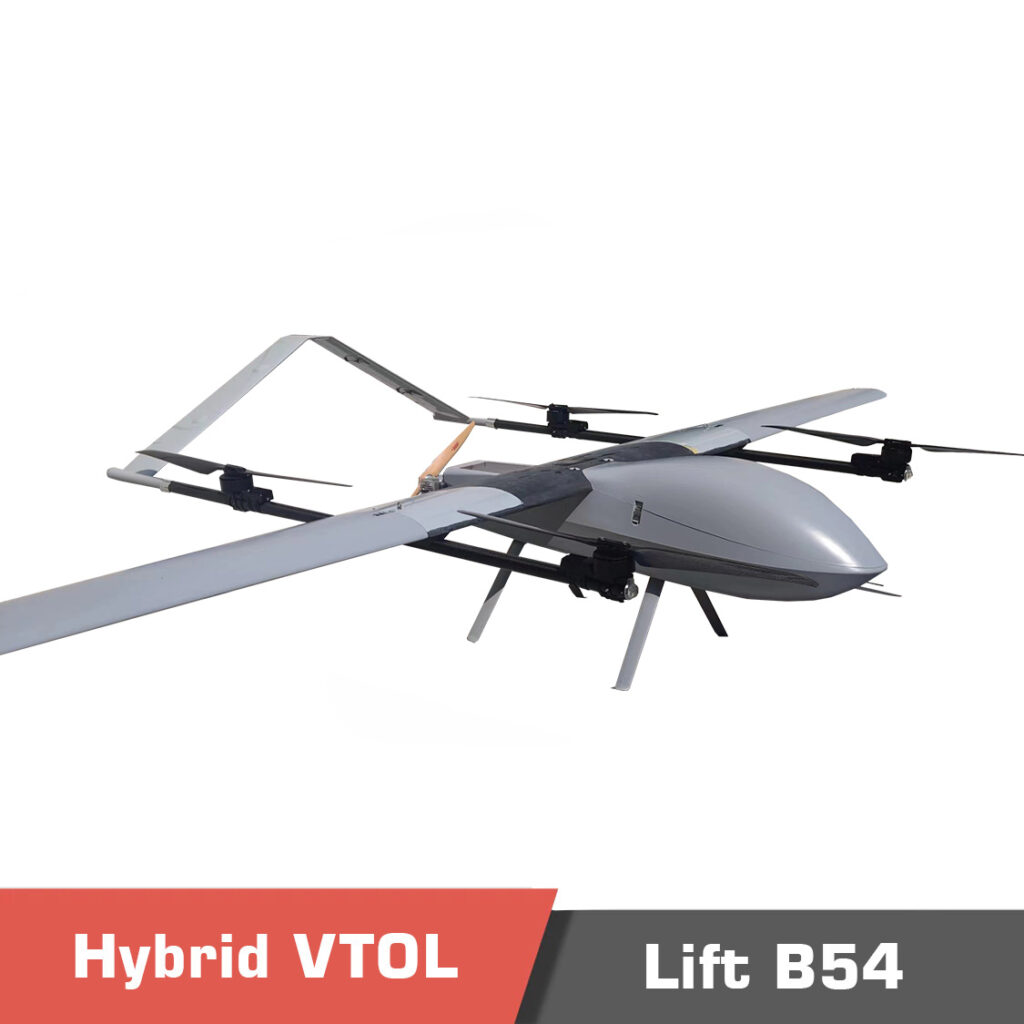
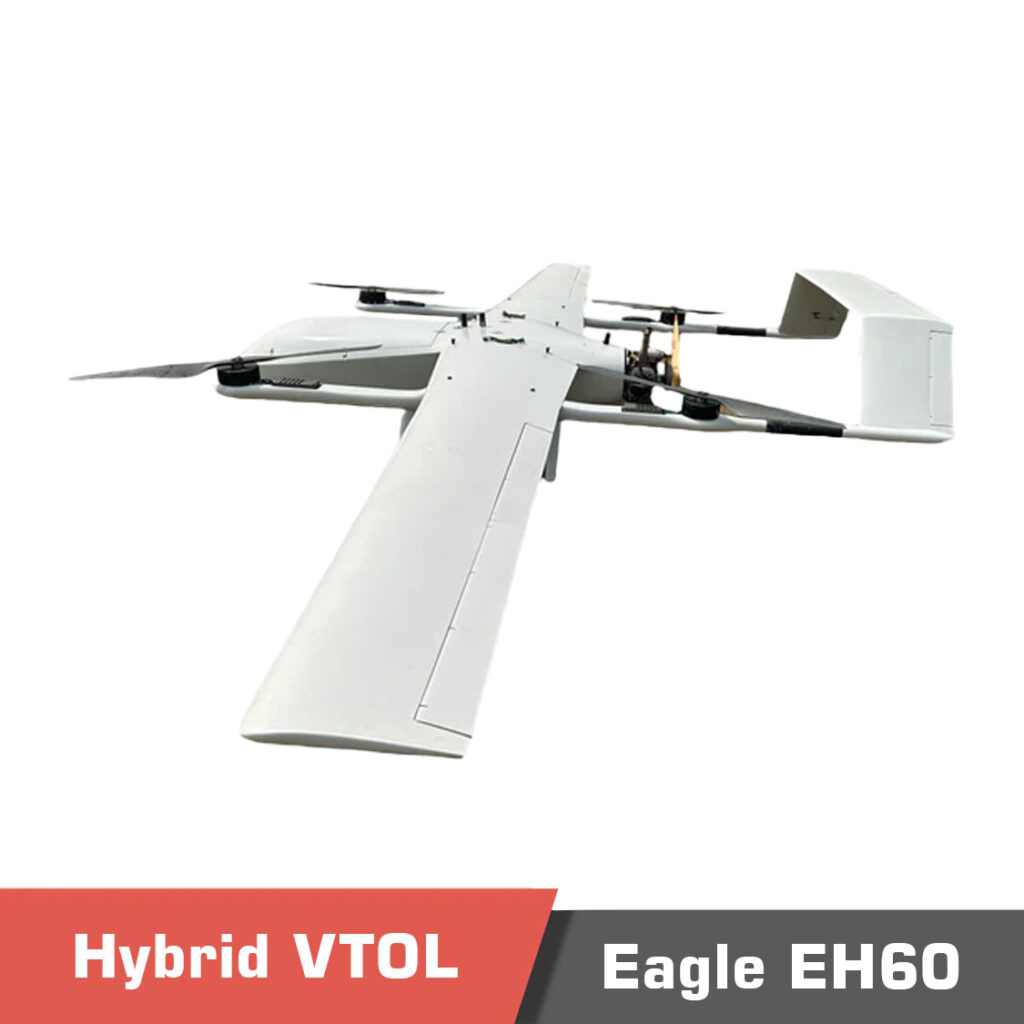
Hybrid drones represent a class of unmanned aerial vehicles engineered to combine the vertical takeoff and landing (VTOL) convenience of multirotor platforms with the long-range efficiency of fixed-wing aerodynamics. Integrating electric propulsion with internal combustion or generator-assisted power systems, hybrid drones deliver unparalleled endurance, payload flexibility, and mission adaptability for demanding enterprise operations.
With applications spanning industrial inspection, wide-area mapping, logistics, environmental monitoring, and beyond, hybrid drones occupy a strategic role in professional UAV fleets. They excel in missions where traditional electric multirotors are limited by battery endurance and fixed-wing aircraft cannot operate without runway access.
This product category features hybrid UAVs designed to meet rigorous performance, reliability, and safety standards demanded by commercial and government aerial programs.
Hybrid drones integrate multiple propulsion sources to address endurance and operational flexibility challenges inherent to battery-only systems. This hybridization delivers several core advantages:
By blending electric motors with combustion engines or onboard generator systems, hybrid drones overcome energy density limitations associated with battery power alone. This enables mission profiles such as:
Large-area surveying and mapping
Long corridor inspections (e.g., pipelines, railways, power lines)
Extended surveillance and monitoring tasks
Longer airborne time significantly improves data yields and reduces the need for frequent operational interruptions.
Hybrid drones combine the versatility of vertical takeoff and landing with the aerodynamic efficiency of fixed-wing cruise flight. This hybrid architecture allows:
Runway-free operations in confined or remote areas
Rapid ascent and descent without ground support equipment
High-speed translational flight for extended mission coverage
This dual-mode capability makes hybrid drones ideal for enterprises that require rapid deployment with maximum area coverage.
Although hybrid propulsion introduces additional system complexity compared to battery-only solutions, the overall cost per mission can be lower due to:
Reduced need for support infrastructure
Fewer mission legs due to extended endurance
Less frequent battery swapping or recharges
Over time, this lowers program sustainment costs and increases operational throughput.
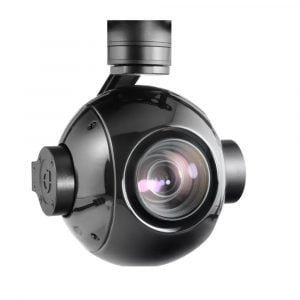
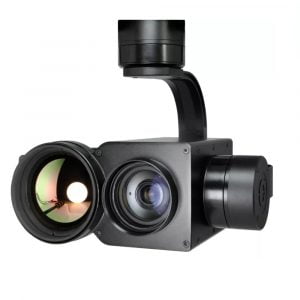
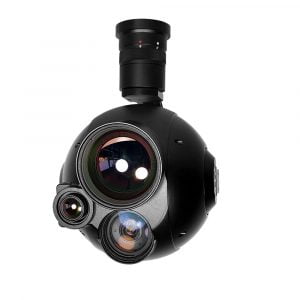
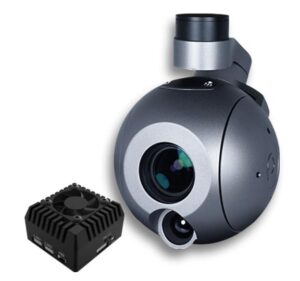
Hybrid drone platforms are designed to carry professional payloads with comprehensive interface support including:
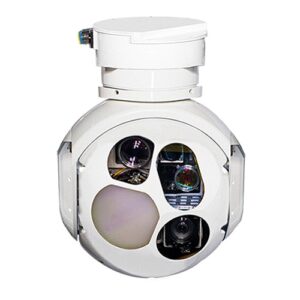
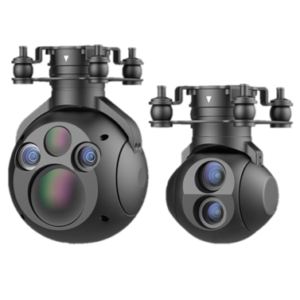
EO/IR imaging systems
LiDAR scanners
Multispectral and hyperspectral sensors
Communication relays
Versatile payload bays and power outputs enable mission customization without compromising flight performance.
Hybrid drones are well suited for demanding aerial operations where endurance, scalability, and adaptability are mission-critical.
For industries requiring high-resolution topographic and geospatial data across extensive terrain, hybrid drones deliver:
Better ground sample distance (GSD) over wide areas
Reduced flight breaks for battery swaps or recharge cycles
GIS-ready outputs via RTK/PPK GNSS integration
This improves productivity for mining, construction, land-management, and civil engineering applications.
Hybrid drones excel in linear inspection missions such as:
High-voltage transmission lines
Railway and pipeline networks
Highway and bridge monitoring
With multiple power sources, these platforms maintain flight continuity while carrying advanced sensors for condition assessments.
Extended flight time and versatile payload support make hybrid drones invaluable for:
Wildfire monitoring and smoke penetration
Flood mapping and disaster impact assessment
Wildlife tracking and habitat evaluation
Combining VTOL flexibility with long endurance supports dynamic mission requirements under challenging conditions.
Emerging hybrid drone applications include:
Cargo transport in remote regions unsupported by infrastructure
Ad hoc communications relays during events or emergencies
Last-mile delivery where range and payload matter
These applications leverage hybrid endurance without sacrificing deployment flexibility.
When evaluating hybrid drones, technical performance metrics and system integration features are key to matching platform capabilities with operational requirements.
Hybrid drones combine:
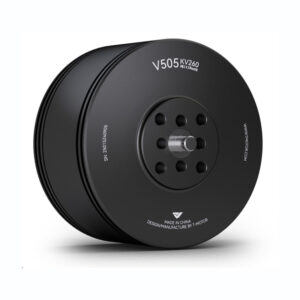
Electric motors for VTOL lift and stable hover
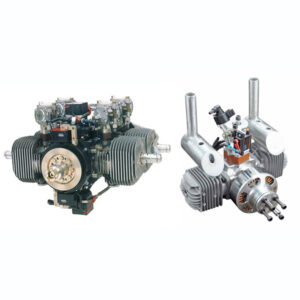
Combustion engines or onboard generators for sustained cruise
Smart power management to balance energy sources efficiently
Evaluating torque curves, fuel capacity, and power distribution helps determine mission-specific endurance and performance.
Modern hybrid drones integrate advanced autopilots with features such as:
Waypoint navigation with adaptive planning
Real-time kinematic (RTK) positioning for centimeter-level accuracy
Obstacle detection and avoidance for enhanced safety
These systems reduce operator workload and improve flight consistency.
Hybrid platforms should support modular payload bays that provide:
Stable mounting interfaces
Onboard power for sensors
Data interfaces for real-time telemetry
This ensures professional imaging, mapping, and analytical tools can be deployed without custom integration work.
For enterprise usage, hybrid drones must be engineered with redundancy in mind, including:
Dual-source power assurance
Fail-safe flight termination modes
Redundant navigation sensors
These mitigations support mission integrity and regulatory compliance.
Hybrid drones represent an integral component of the larger unmanned aerial solutions spectrum. While electrically powered UAVs excel in urban and short-range missions, and fixed-wing aircraft deliver efficient gliding over large expanses, hybrid UAVs bridge these capabilities effectively.
For missions requiring both vertical takeoff and extended endurance without runway dependency, hybrid designs offer a compelling solution. They complement other categories such as battery-only electrical drones and traditional fixed wing models.
Explore additional UAV configurations that support a wide range of mission profiles here: Vtol drone.
Organizations investing in hybrid drone technology receive measurable operational advantages:
Higher mission productivity due to longer flight windows
Reduced logistic burden through runway-independent deployment
Enhanced data quality with professional payload support
Lower program risk with robust, redundant systems
Hybrid drones also integrate seamlessly into fleet orchestration software and data ecosystems, allowing enterprises to scale aerial operations with confidence.
MotioNew curates hybrid drone solutions tailored to professional UAV programs. Our portfolio focuses on platforms that combine:
Industry-grade propulsion systems
Flexible payload compatibility
Proven reliability and support infrastructure
With a rigorous product selection process grounded in performance and technical credibility, MotioNew simplifies procurement for engineering teams and buyers.
Buy From MotioNew, and Leave The Technical Worries Behind
Hybrid drones deliver unmatched performance where endurance, adaptability, and payload flexibility are essential. By marrying VTOL responsiveness with efficient forward flight, this product category supports a wide array of industrial, commercial, and government applications.
From large-area surveying and infrastructure inspection to environmental response and logistics support, hybrid drones empower enterprise programs with reliable, scalable aerial solutions.
Investing in hybrid drone technology ensures organizations are prepared for current mission demands while future-proofing their UAV fleet for evolving operational needs.
No account yet?
Create an Account