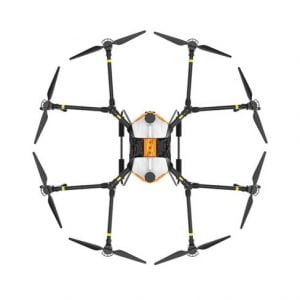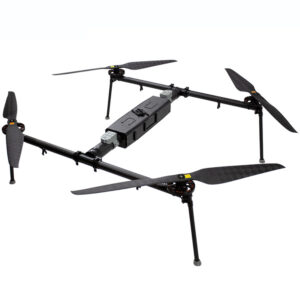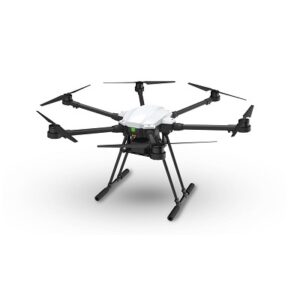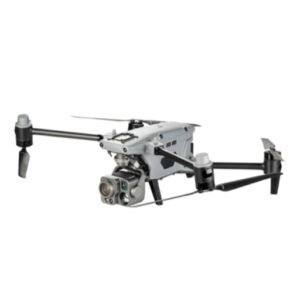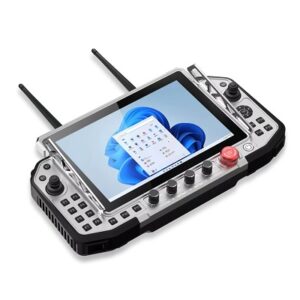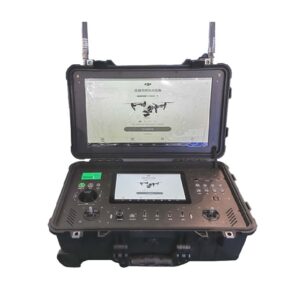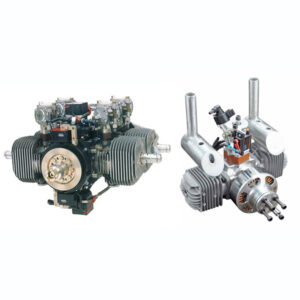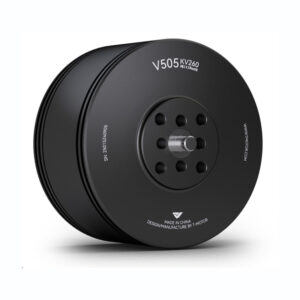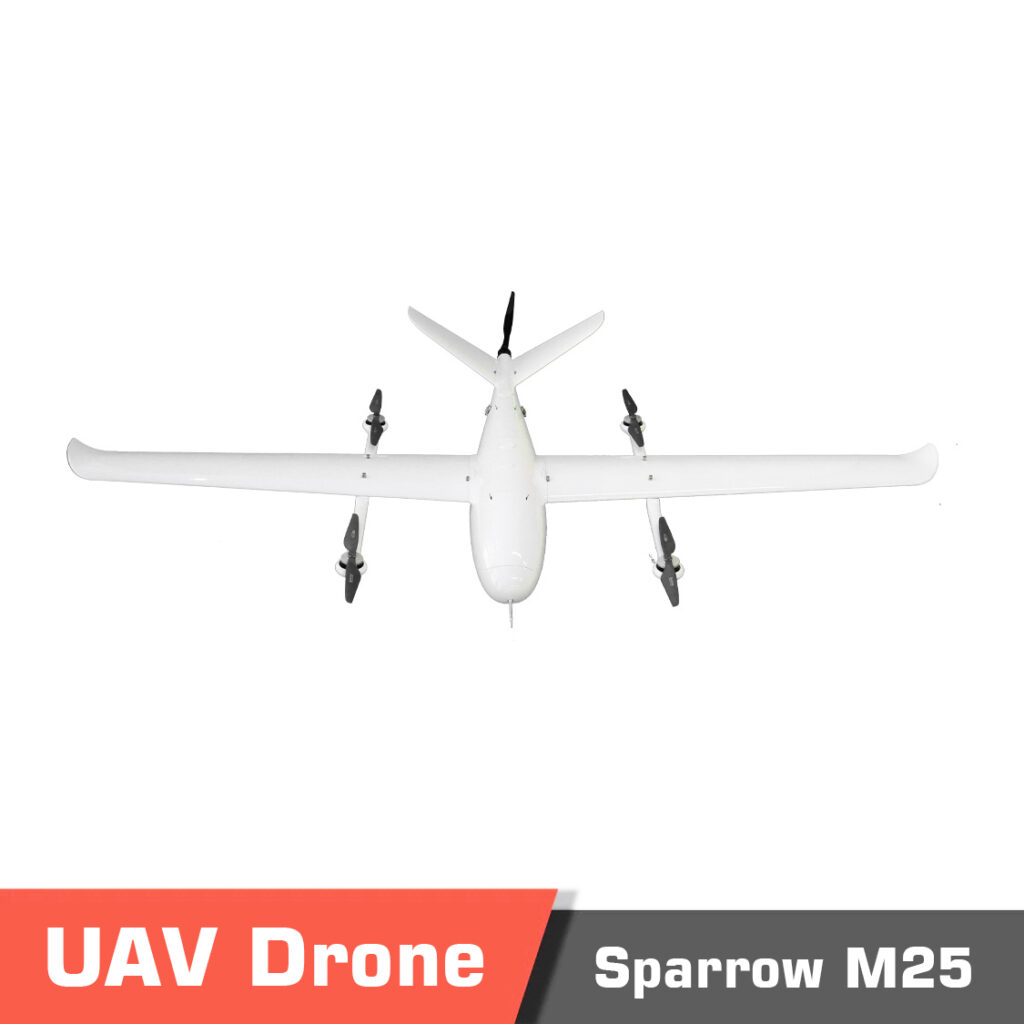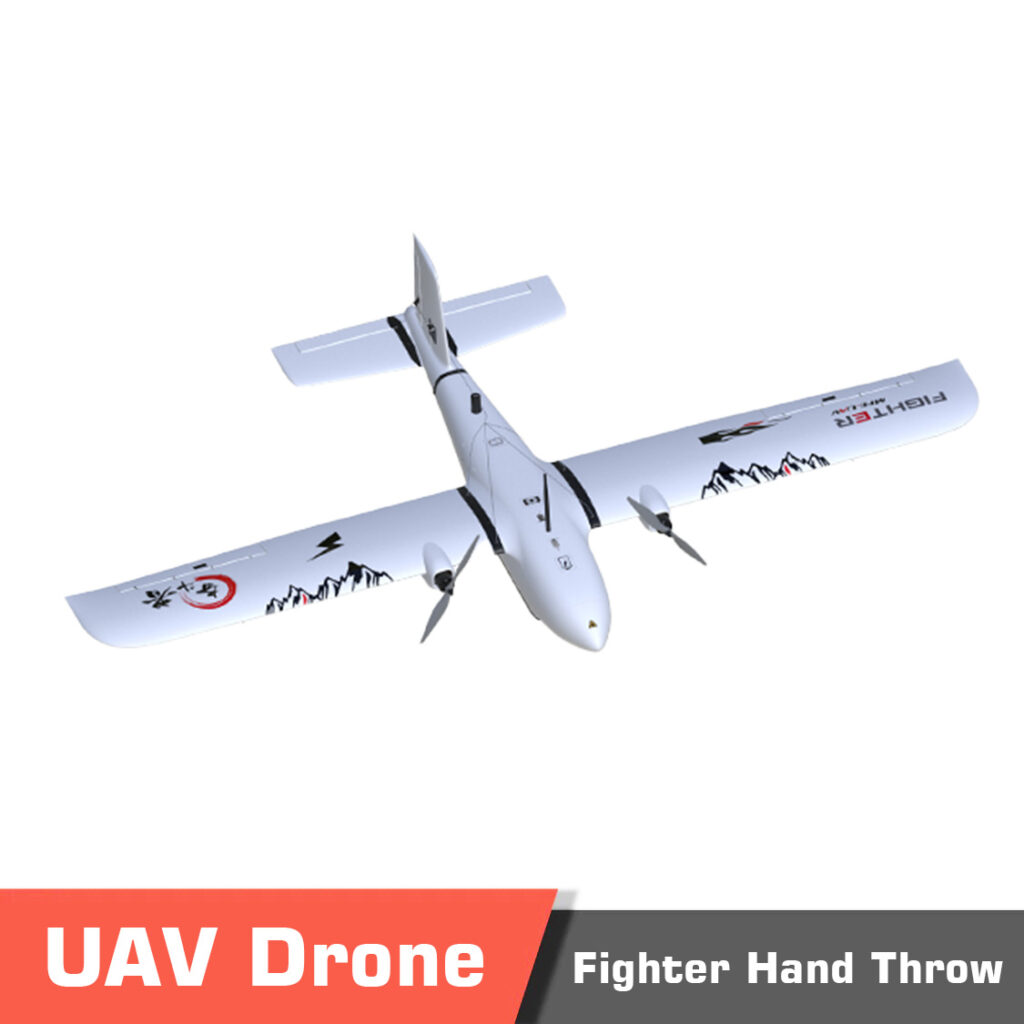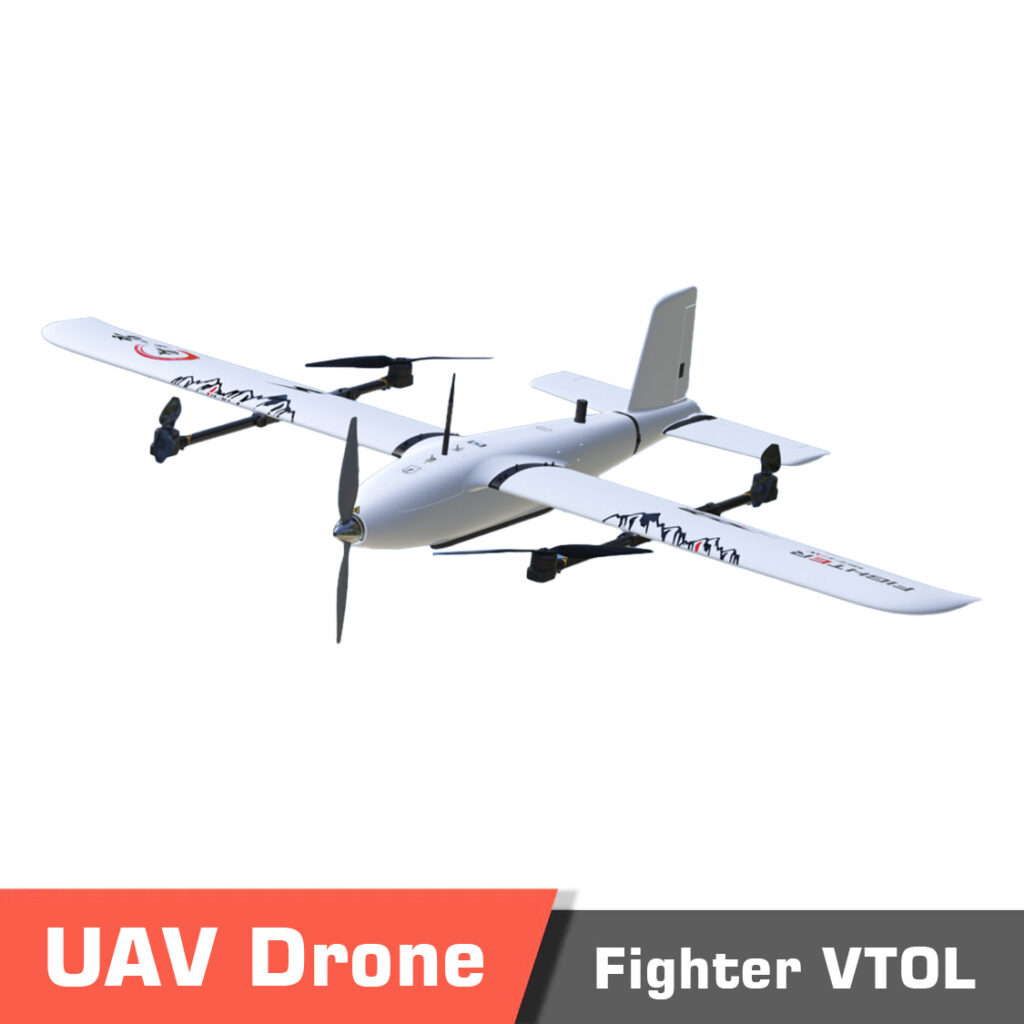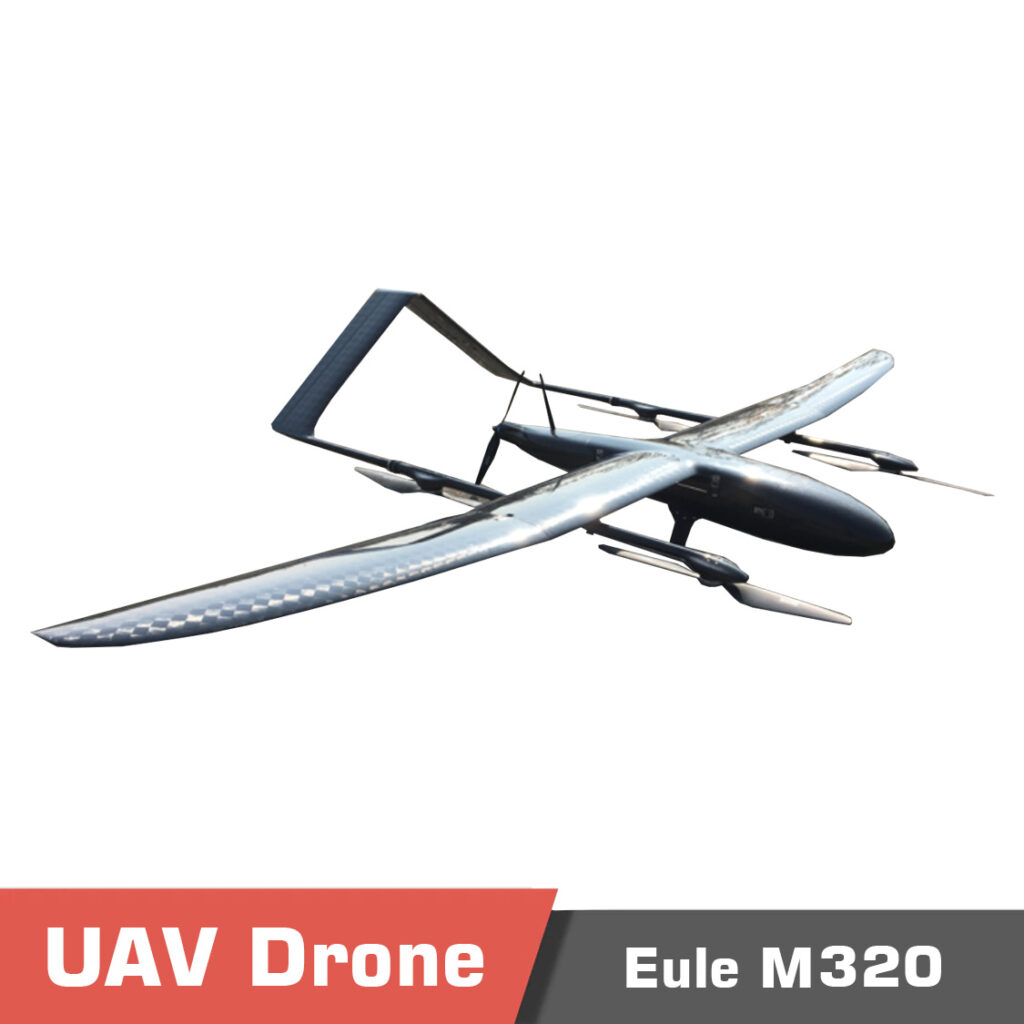
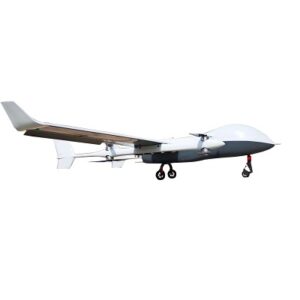
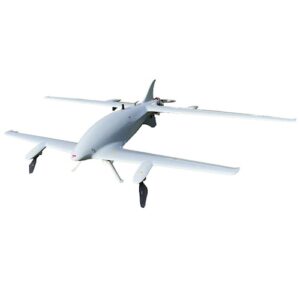
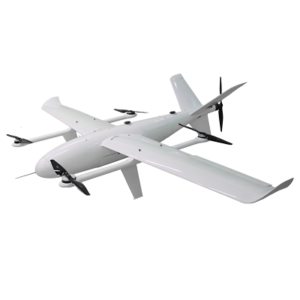
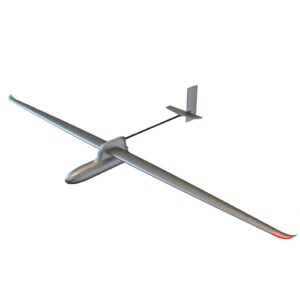
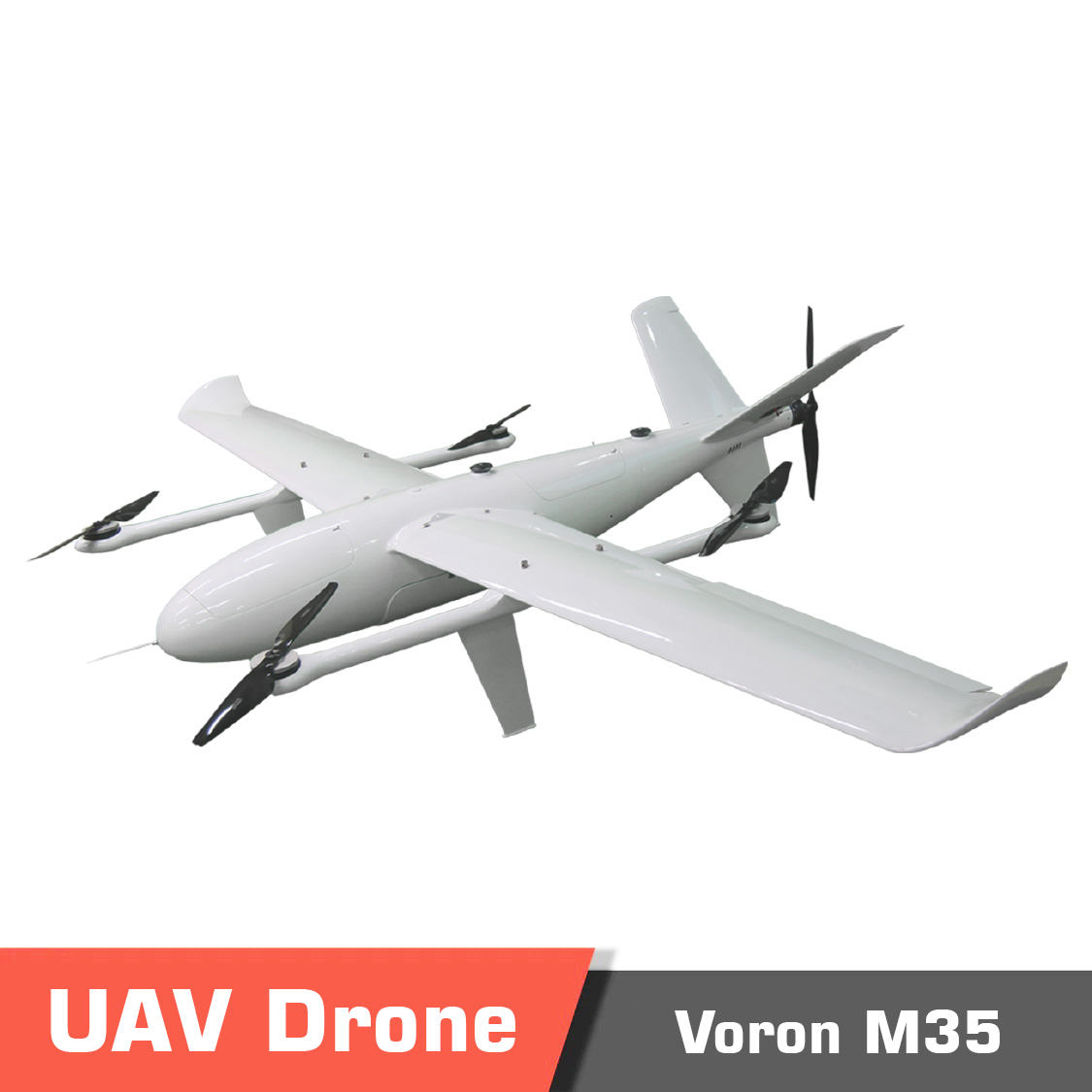
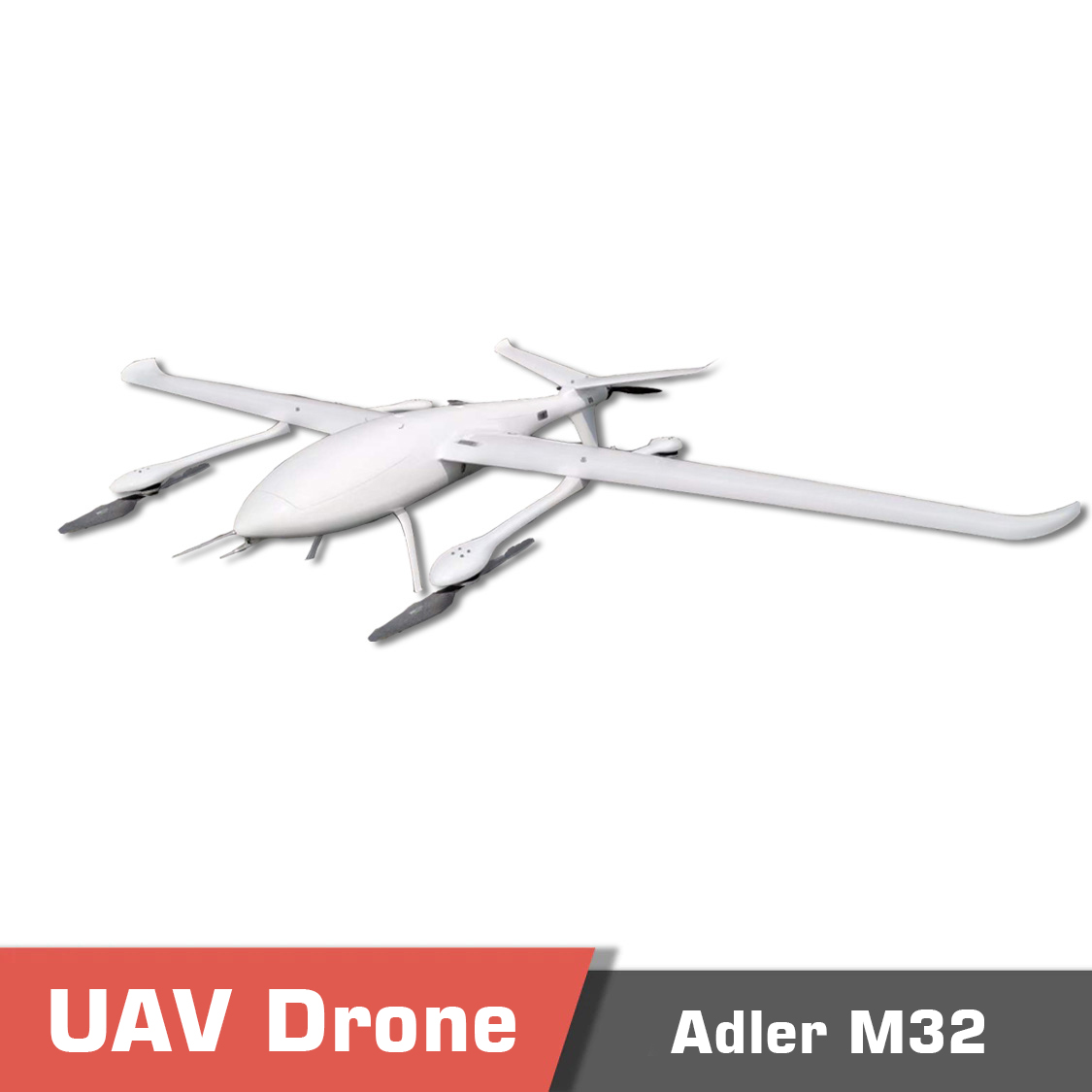
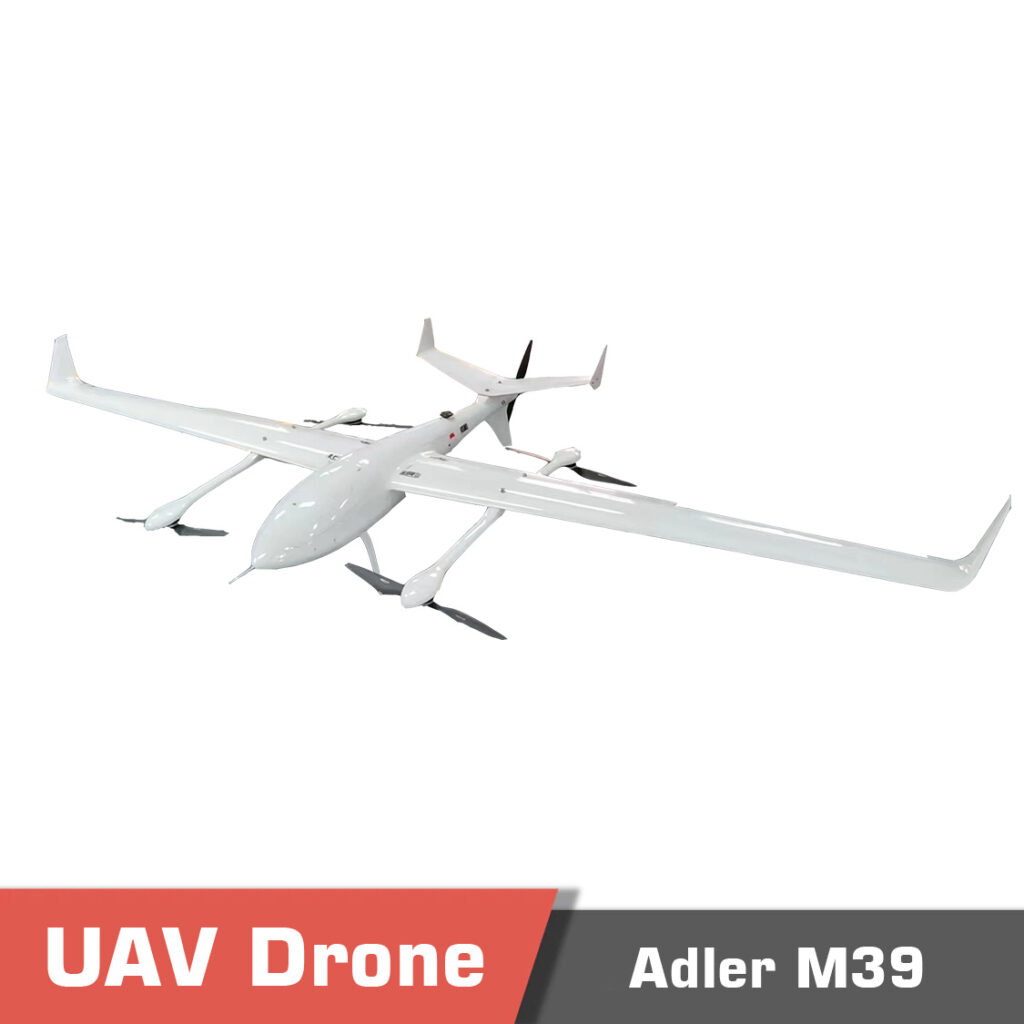
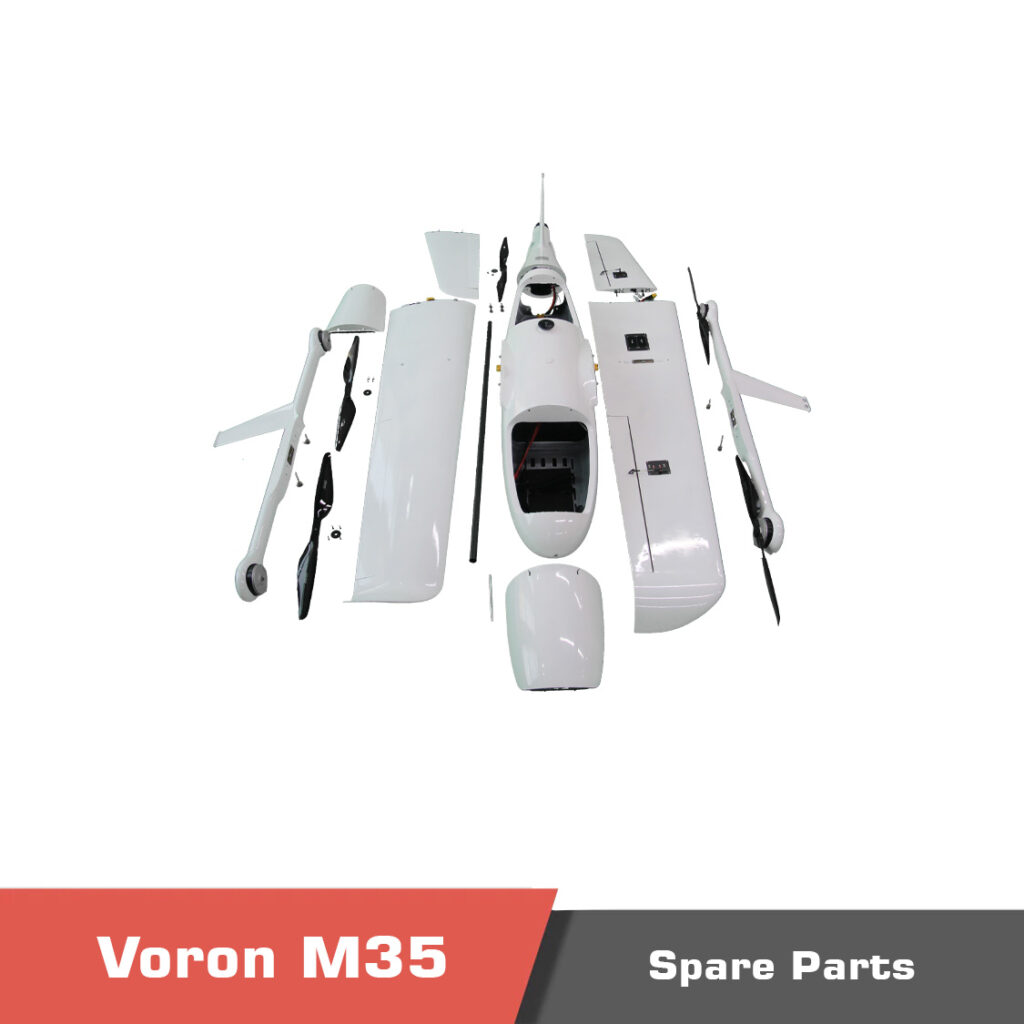
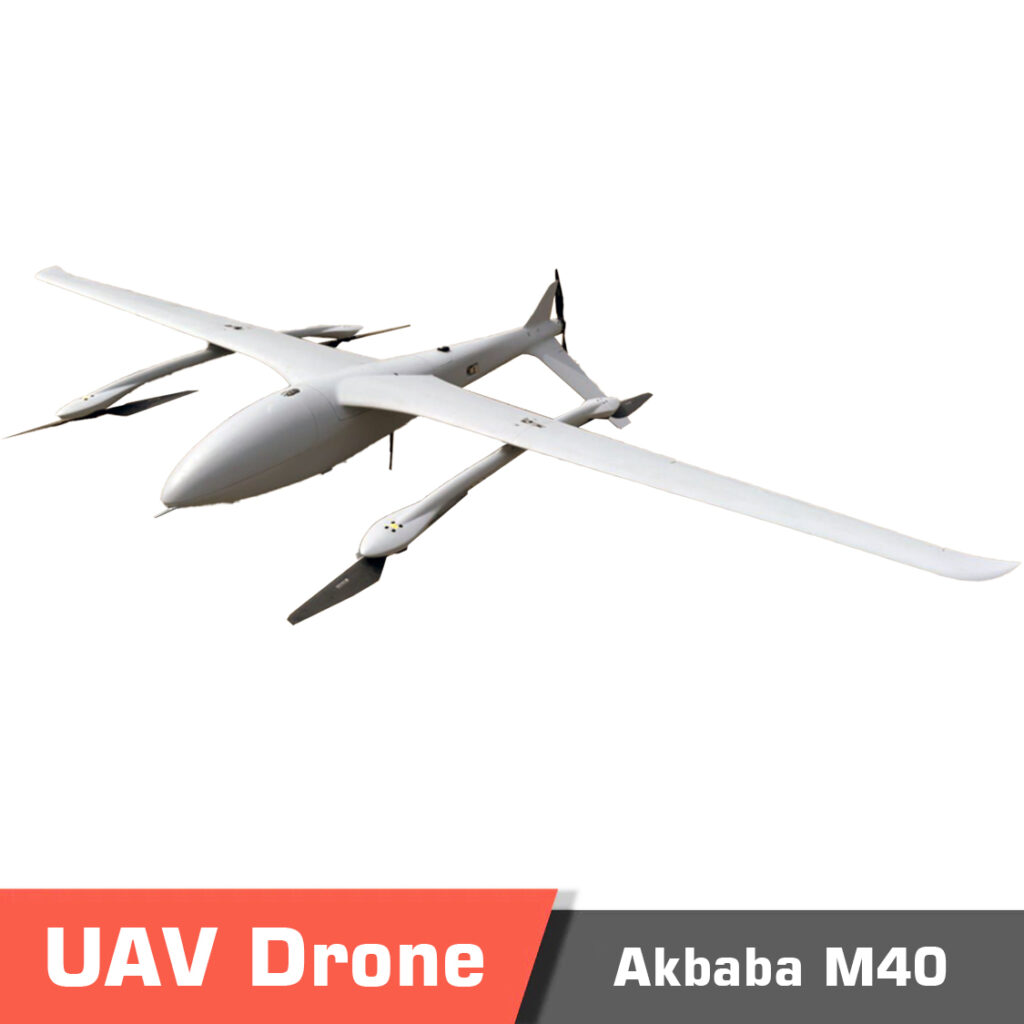
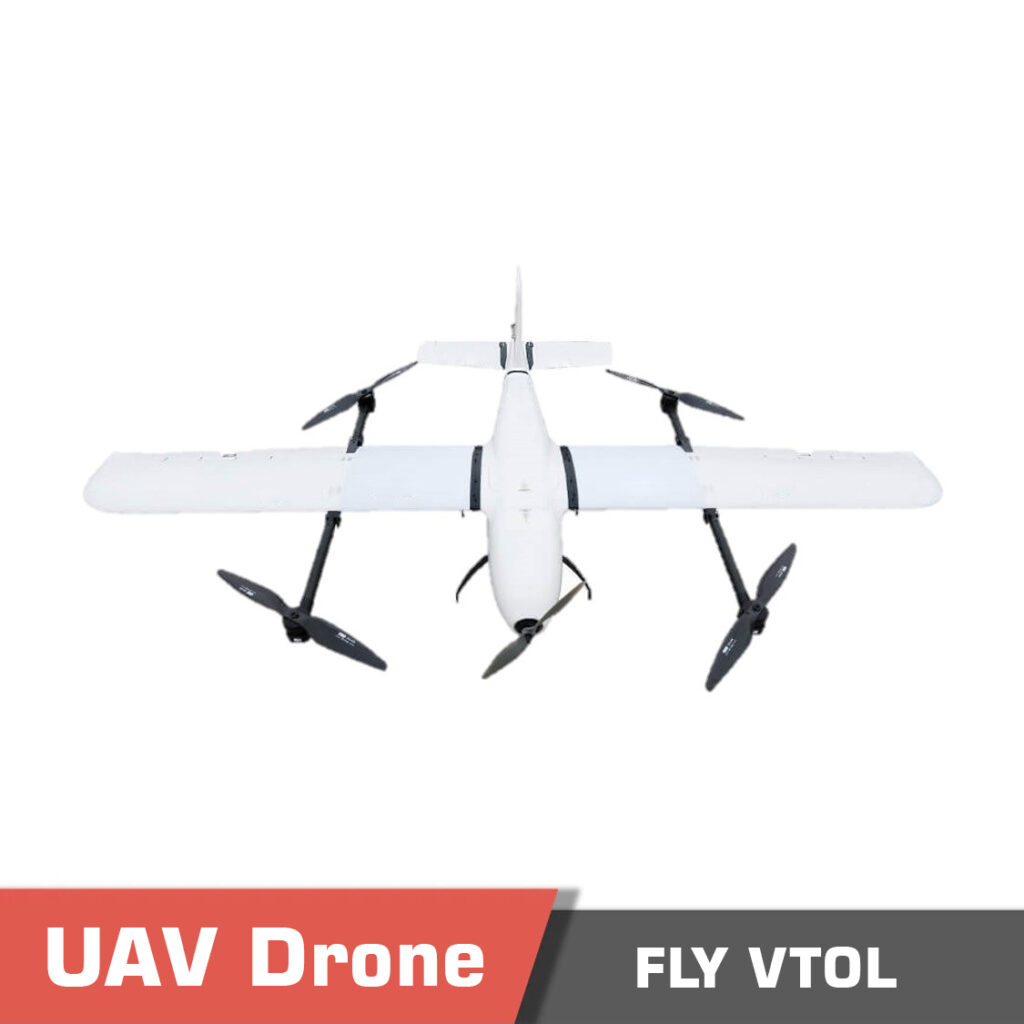
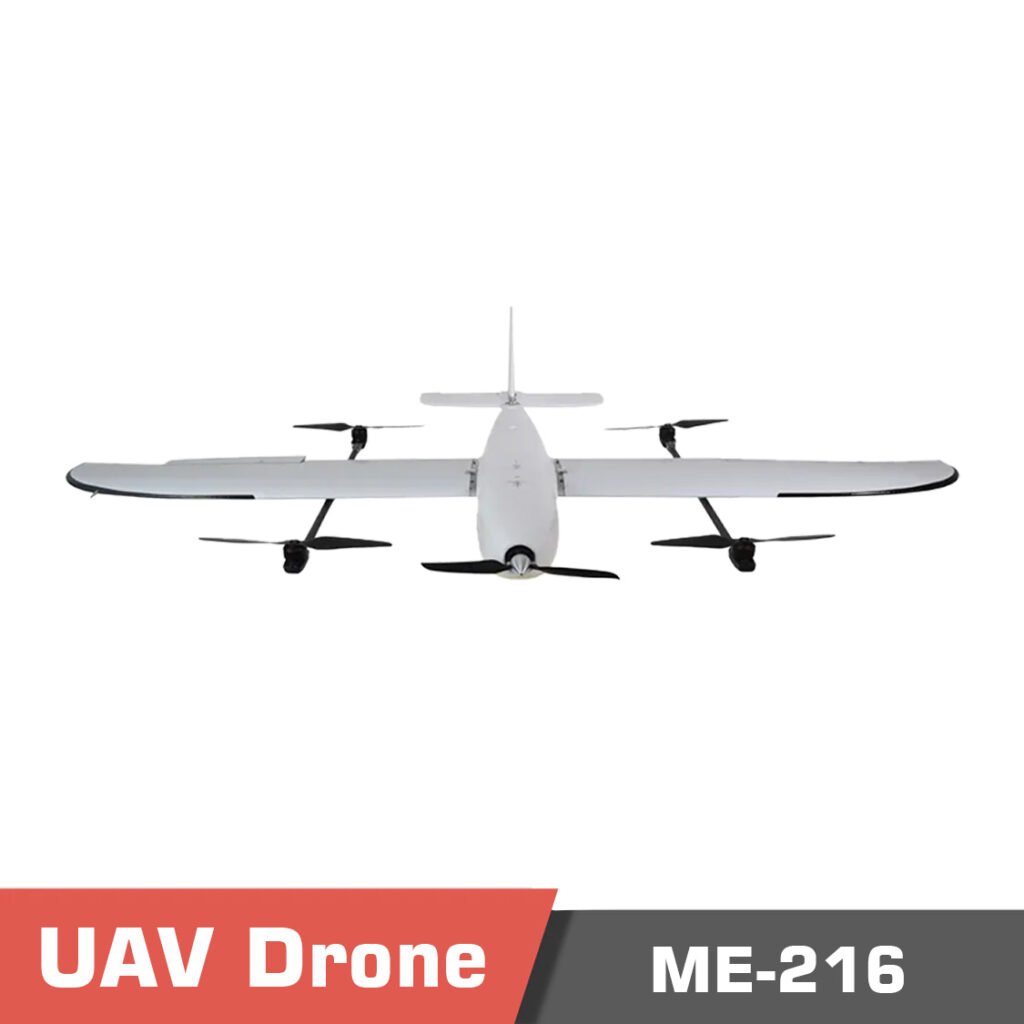
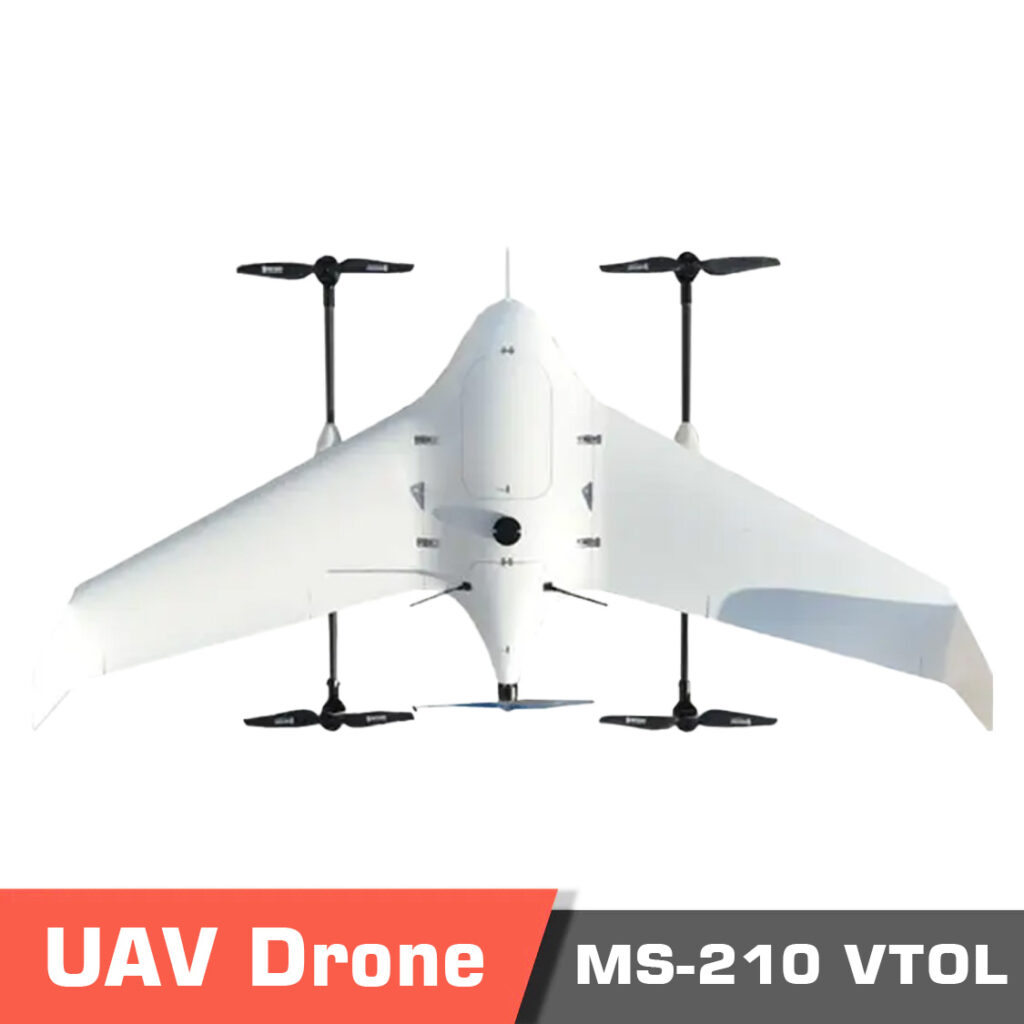
Electrical drones represent a core segment of modern unmanned aerial systems, delivering reliable performance, low operational complexity, and environmentally responsible operation. Designed around electric propulsion architectures, these drones are widely adopted across industrial inspection, surveying, mapping, environmental monitoring, and enterprise UAV programs.
Within the VTOL and fixed wing ecosystem, electrical drones offer a balanced solution for organizations seeking stable flight control, reduced acoustic output, and predictable maintenance cycles. This product category includes electrically powered UAV platforms engineered to support professional payloads, extended mission profiles, and scalable fleet deployment.
As regulatory pressure and sustainability targets increase, electrical drones are becoming the preferred choice for professional UAV buyers who require consistent performance without the operational overhead of fuel based propulsion systems.
Electrical drones are engineered to meet the evolving needs of enterprise UAV applications. Their advantages extend beyond propulsion and directly impact operational efficiency and total cost of ownership.
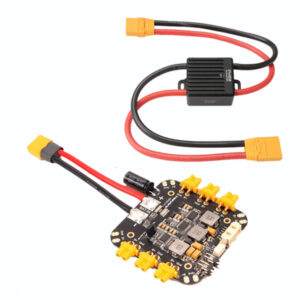
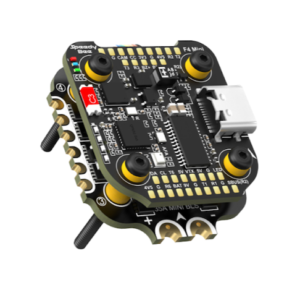
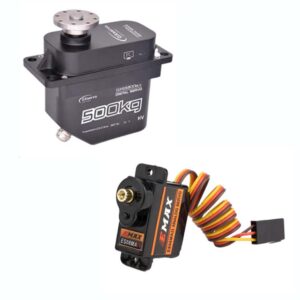
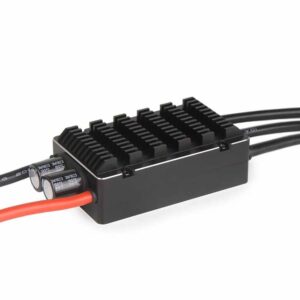
Electrical drones utilize high efficiency brushless motors combined with advanced electronic speed controllers and optimized propeller systems. This configuration delivers:
Stable thrust output across varying flight conditions
Precise motor control for autonomous and semi autonomous missions
Lower vibration levels compared to combustion powered UAVs
Reduced vibration is especially critical for high resolution imaging, LiDAR scanning, and precision measurement tasks.
Without internal combustion engines, electrical drones feature fewer moving parts. This results in:
Lower scheduled maintenance requirements
Reduced risk of mechanical failure
Improved fleet uptime for continuous operations
For procurement teams managing multiple UAV assets, electrical drones simplify lifecycle management and maintenance planning.
Electrical drones operate with significantly reduced noise output, making them suitable for use in populated or environmentally sensitive areas. Zero direct emissions also support compliance with sustainability policies and regulatory frameworks increasingly adopted by government and enterprise operators.
Electrical drones are designed as multi mission platforms capable of supporting a wide range of professional applications through modular payload integration.
Electrical UAVs equipped with photogrammetry cameras, LiDAR sensors, and RTK GNSS modules are widely used for:
Topographic and land surveying
Construction progress monitoring
Volume calculation and terrain modeling
Consistent power delivery and smooth flight dynamics ensure accurate data capture and repeatable mission results.
For utilities, energy providers, and transportation authorities, electrical drones support inspection of:
Power transmission lines and substations
Bridges, towers, and large structures
Pipelines and industrial facilities
High resolution EO and thermal imaging payloads enable early fault detection while reducing the need for manual inspections.
Battery powered electrical drones are ideal for agricultural and environmental missions requiring precision and minimal disturbance. Typical use cases include:
Crop health analysis using multispectral sensors
Vegetation indexing and irrigation assessment
Wildlife and habitat monitoring
Quiet operation and stable low altitude flight improve data accuracy and operational safety.
Selecting the right electrical drone platform requires careful evaluation of system specifications, compatibility, and long term support.
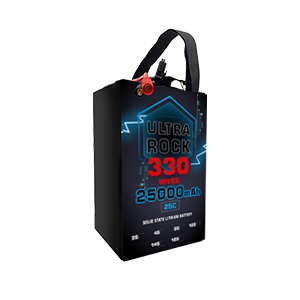
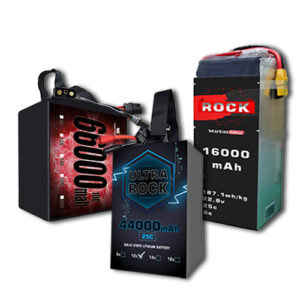
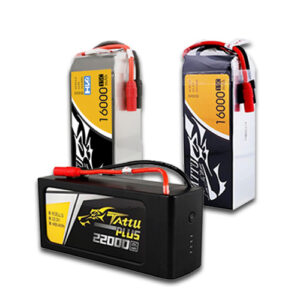
High performance electrical drones rely on advanced battery architectures with integrated management systems. Important features include:
High energy density lithium based battery packs
Intelligent battery management for voltage and temperature control
Modular or swappable battery design for field operations
Efficient power management directly impacts flight endurance and mission reliability.
Electrical drones in this category are designed to support professional payloads with standardized mounting and power interfaces. Common payload compatibility includes:
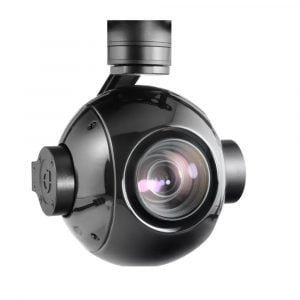
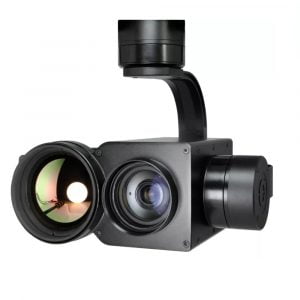
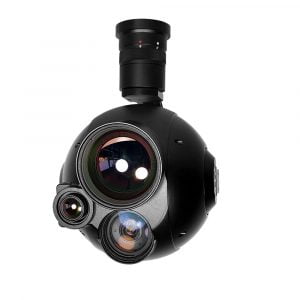
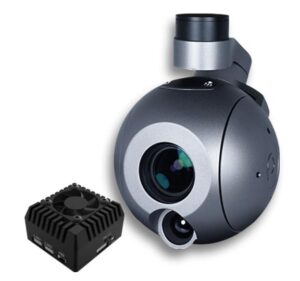
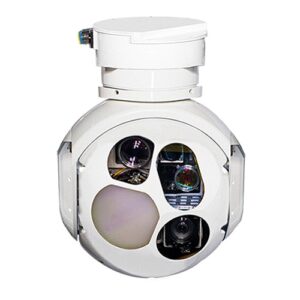
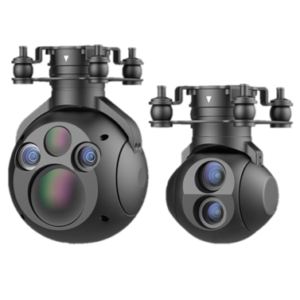
EO and IR camera systems
LiDAR and laser scanning units
Multispectral and hyperspectral sensors
Flexible payload support ensures that the drone platform can adapt to evolving operational requirements.
Modern electrical drones integrate advanced autopilot systems offering:
Waypoint based autonomous flight
Precision positioning with RTK and PPK support
Redundant navigation sensors for safety
These capabilities are essential for complex missions and regulatory compliance.
Electrical propulsion is increasingly integrated into VTOL and fixed wing UAV architectures. While multirotor electrical drones excel in vertical lift and localized missions, fixed wing electrical drones provide improved endurance and range for corridor mapping and large area coverage.
For operations requiring vertical takeoff combined with efficient forward flight, Vtol drone platforms bridge the gap between multirotor flexibility and fixed wing efficiency. These systems are commonly used for long range inspection, mapping, and logistics missions where runway independent operation is required. Explore compatible VTOL solutions here: Vtol drone.
For professional UAV programs, electrical drones deliver measurable business advantages:
Predictable operating costs due to reduced fuel and maintenance needs
Faster deployment and simplified training requirements
Improved compliance with environmental and safety regulations
Electrical drones also integrate effectively with fleet management software, mission planning tools, and data processing platforms, enabling scalable enterprise adoption.
MotioNew provides a curated selection of electrical drone platforms engineered for professional and industrial use. Each solution is evaluated for performance, reliability, and compatibility with industry standard payloads and control systems.
By sourcing through MotioNew, buyers benefit from:
Technically validated UAV solutions
Support for integration and system matching
Reduced procurement risk through expert product selection
Buy From MotioNew, and Leave The Technical Worries Behind
Electrical drones form a foundational category within modern UAV systems, supporting a wide range of industrial and enterprise missions. With advantages in efficiency, reliability, and environmental performance, these platforms are well suited for organizations seeking scalable and future ready aerial solutions.
From surveying and inspection to agriculture and infrastructure monitoring, electrical drones offer consistent performance backed by mature electric propulsion technology. Selecting the right platform within this category ensures long term operational success and measurable return on investment.
No account yet?
Create an Account